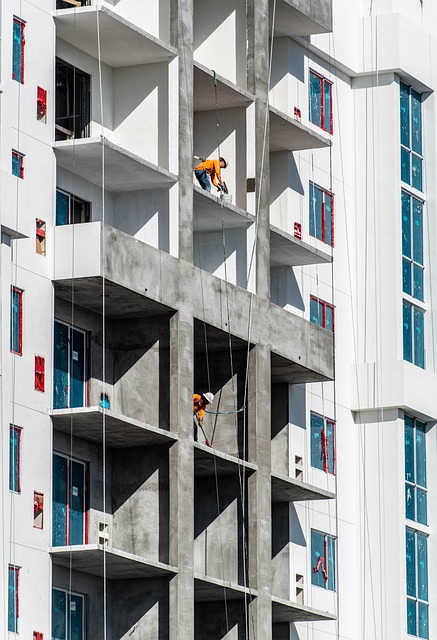
Safety is one of the most important aspects of contracting, yet it is often under looked. Through my experience working in both on-site and management roles at T&Z Building Maintenance, I learned that many problems in contracting are not caused by lack of skill, but by rushing work or ignoring basic safety and planning procedures.
This post discusses common mistakes, safety awareness, and practical lessons learned through real contracting experience in Cyprus.
Common Mistakes in Contracting
One of the most common mistakes in contracting is underestimating small issues. Problems such as minor leaks, cracks, or faulty installations may seem harmless at first but they often develop into more serious damage if ignored. In many cases these issues result from poor previous repairs or long-term neglect.
Another frequent mistake is choosing speed over quality. Rushing a job to finish quickly may reduce short-term costs but it often leads to poor workmanship and future repairs. Talking from experience correcting rushed work usually takes more time and money than doing the job properly from the beginning.
The Importance of Safety on Site
Safety on-site goes beyond wearing protective equipment. It includes proper planning, risk assessment, and responsible decision-making. Electrical, plumbing, and structural work all involve potential hazards that require careful handling.
At T&Z Building Maintenance, safety procedures are taken seriously to protect workers, clients, and properties. Ensuring that tools are used correctly and work areas are kept organised reduces the risk of accidents and delays.
Working Conditions in Cyprus
Contracting in Cyprus presents additional challenges that affect safety. High temperatures especially during summer months, can lead to fatigue and reduced concentration. Many buildings are also older with outdated systems that require extra caution during repairs.
These conditions require contractors to adapt their work schedules, take breaks when necessary, and remain aware of environmental risks. Ignoring these factors can result in injuries or reduced quality of work.
Practical Tips from Real Experience
Based on experience, clear communication is one of the most effective ways to prevent mistakes. Clients should be informed about potential risks, safety measures, and realistic timelines. When clients understand the process, cooperation improves significantly.
Another important lesson is the value of using appropriate materials and tools. Cutting costs by using low-quality materials often results in long-term problems and damages professional reputation.
Responsibility and Professionalism
Working in contracting has taught me that every decision on-site carries responsibility. Poor judgment can affect people’s safety, property condition, and business credibility. Learning to prioritise safety and quality over speed has been one of the most valuable lessons gained through this experience.
What I Learned
Contracting requires discipline, awareness, and professionalism. Following safety standards and taking time to do work properly leads to better results and long-term trust.
Key Takeaway
Safe and responsible contracting protects people, property, and professional reputation in the long run.
Leave a Reply