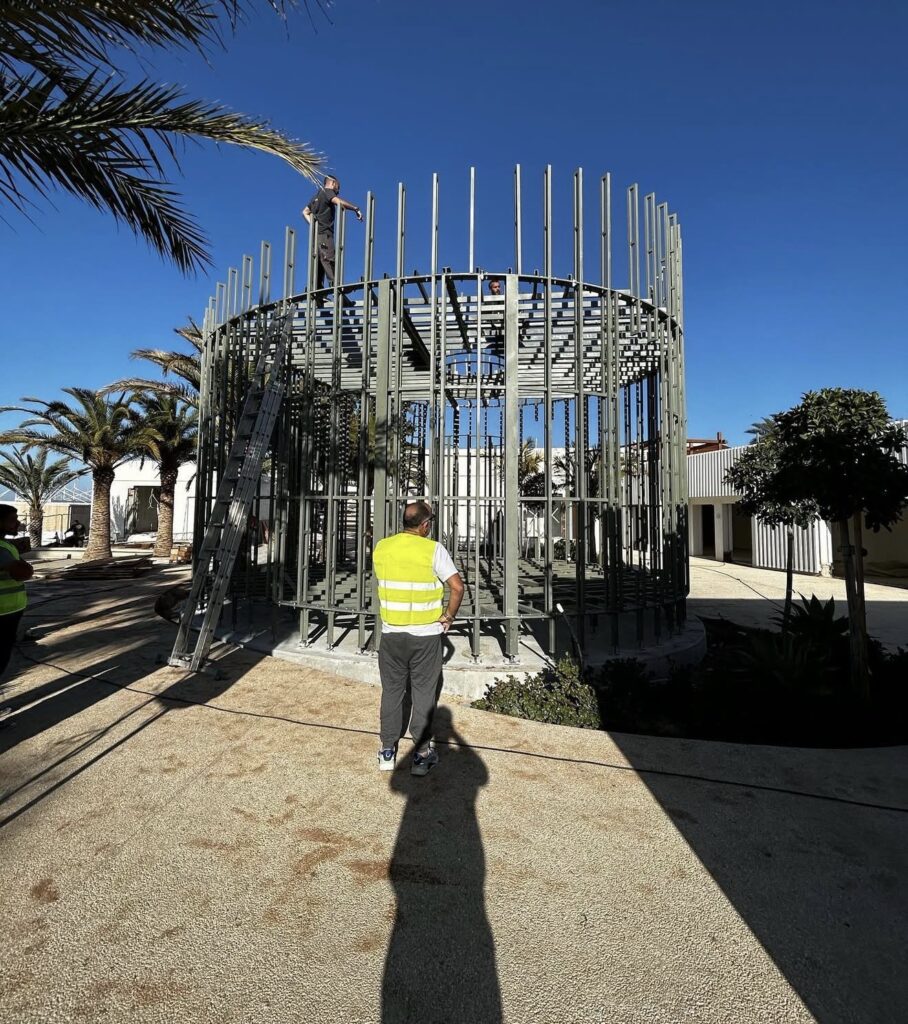
Many people believe that contracting work begins when workers arrive on-site with tools. Through my experience working in my family business, T&Z Building Maintenance, I learned that the real work starts much earlier. A successful contracting job depends on planning, communication, and organisation long before any physical work is carried out.
This post explains the full process of a contracting job, from the first client call to final completion, based on real working experience in Cyprus.
Initial Client Contact
Most projects begin with a phone call or message from a client describing an issue. In many cases the problem sounds simple such as a leak, damaged wall, or electrical fault. However clients often describe symptoms rather than the real cause of the problem.
At this stage listening carefully is important but it is also clear that assumptions cannot be made. From experience relying only on client descriptions can lead to incorrect planning and unexpected complications later in the project.
Site Inspection
A site inspection is one of the most important stages of contracting. Visiting the property allows contractors to see the real condition of the building, identify potential risks and understand the scope of work required.
In Cyprus inspections are especially important because many buildings are older and may contain outdated installations or previous repairs that were not done correctly. During inspections issues such as hidden water damage, weakened structures, or unsafe electrical setups are often discovered. Identifying these early helps prevent delays and safety risks during the project.
Planning and Quotation
After the inspection, the planning stage begins. This includes selecting appropriate materials, estimating costs, arranging labour, and setting a realistic timeline. At T&Z Building Maintenance, clear planning helps ensure that both the contractor and the client have the same expectations.
Providing a transparent quotation is essential. Clients are more likely to trust the process when costs and timelines are explained clearly, especially if unexpected issues were found during inspection. This step reduces misunderstandings and helps maintain professional relationships.
On-Site Execution
Once work begins the focus shifts to coordination and adaptability. Even with careful planning unexpected challenges often arise. These may include hidden damage, material delays, or access limitations. Being able to respond calmly and make informed decisions is a key part of professional contracting.
On-site execution also involves managing workers, ensuring tasks are completed in the correct order and maintaining safety standards. From experience rushing work to save time often leads to mistakes, which can result in higher costs and client dissatisfaction.
Safety and Supervision
Safety plays a major role throughout the project. Supervising work to ensure proper procedures are followed helps protect workers, clients, and the property itself. This includes monitoring the use of tools, managing electrical and plumbing risks, and keeping the work area organised.
In Cyprus, additional factors such as heat and confined spaces must also be considered. Proper supervision and planning help maintain productivity while reducing risks.
Completion and Handover
The final stage of a contracting job is inspection and handover. Before considering the project complete, work must be checked carefully to ensure it meets quality and safety standards. The site is then cleaned and the client is informed about what was done.
Explaining the completed work and answering any questions helps leave a positive final impression. From experience this stage often determines how clients remember the entire project.
What I Learned
This process taught me that successful contracting depends on preparation, communication, and consistency. Each stage plays an important role in ensuring quality results and client satisfaction.
Key Takeaway
A contracting job succeeds when planning, communication, and execution work together from start to finish.
Leave a Reply